
Common Dental Problems in Dogs and How to Prevent Them
Published on November 26, 2026 at 03:26 AM
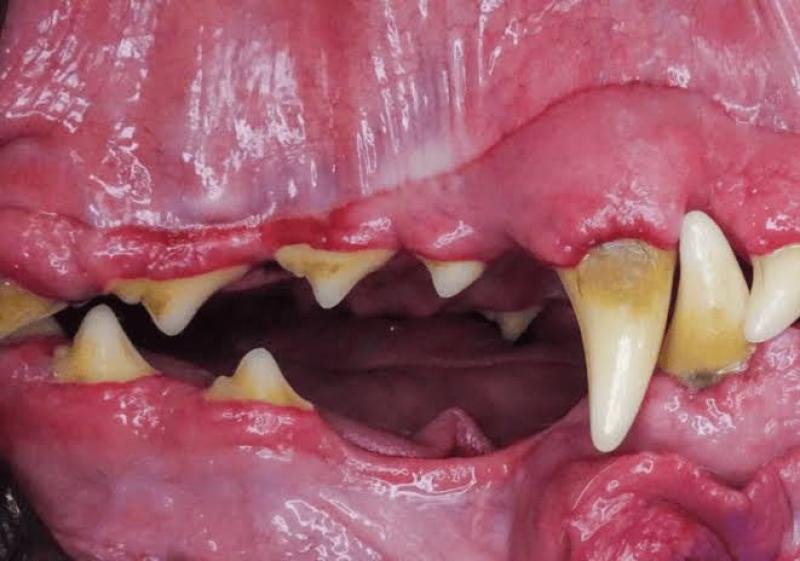
A dog's dental health plays an important role in its overall well-being. Many pet owners focus on nutrition, exercise, and vaccinations but often overlook oral hygiene. Without proper dental care, dogs can develop plaque buildup, gum disease, broken teeth, and painful infections.
Following a consistent routine for dental care for dogs teeth can help prevent common oral health problems and maintain healthy gums. From regular brushing to professional veterinary checkups, simple preventive steps can make a significant difference in your dog's comfort and quality of life.
1. Plaque and Tartar Buildup in Dogs
Plaque is a sticky layer of bacteria that develops on the surface of a dog's teeth. When it is not removed regularly, it hardens into tartar, which can cause gum irritation and other dental complications.
Common signs include yellow or brown teeth, unpleasant breath, and visible deposits near the gumline.
Prevention: Regular brushing with dog-specific toothpaste is an effective way to control plaque. Suitable dental chews can also support your dog's oral hygiene. Professional cleaning may be necessary to remove hardened tartar.
2. Gum Disease and Inflammation
Gum disease, also known as periodontal disease, is a common dental condition in dogs. It begins when bacteria accumulate around the gumline, causing inflammation and irritation. Without proper treatment, it can damage the tissues supporting the teeth.
Red gums, bleeding, persistent bad breath, and loose teeth are common warning signs.
Prevention: Good dental care for dogs' teeth includes regular brushing and routine veterinary examinations. Early treatment of gum inflammation can help prevent more serious dental complications.
3. Broken or Cracked Teeth
Dogs enjoy chewing toys, bones, and other objects. However, chewing extremely hard materials can result in chipped, cracked, or broken teeth. These injuries may expose sensitive inner tooth structures and cause considerable discomfort.
Watch for changes in chewing habits, excessive drooling, facial swelling, or reluctance to eat hard food.
Prevention: Provide safe chew toys suitable for your dog's size and chewing strength. Avoid extremely hard bones and objects that could damage teeth. Contact your veterinarian if you notice a damaged tooth.
4. Tooth Loss in Adult Dogs
Tooth loss in adult dogs may result from advanced gum disease, dental injuries, or untreated infections. Unlike puppies, who naturally lose their baby teeth, adult dogs should not experience unexpected permanent tooth loss.
Missing teeth, bleeding gums, and difficulty eating may indicate an underlying dental condition.
Prevention: Maintaining proper dental hygiene and arranging regular veterinary checkups can help reduce the risk of tooth loss. Early attention to loose teeth can also prevent additional complications.
5. Persistent Bad Breath
Bad breath is another common concern among dog owners. Although some pet owners consider it normal, persistent unpleasant breath may indicate plaque accumulation, gum disease, or an infected tooth.
If your dog's breath suddenly becomes unusually unpleasant, it is worth investigating.
Prevention: Make brushing part of your dog's routine and use veterinarian-approved dental products. If bad breath continues, schedule a professional dental examination to identify the cause.
6. Tooth Infections and Dental Abscesses
Dental infections can develop when bacteria enter damaged teeth or surrounding tissues. A tooth root abscess can cause pain, swelling, and difficulty eating.
Some dogs may also become less active or avoid having their faces touched.
Prevention: Routine dental examinations help identify damaged teeth and early signs of infection. Never use human medications to treat dental pain in dogs. Consult a veterinarian for appropriate treatment.
How to Maintain Proper Dental Care for Dogs Teeth
Preventive habits can help protect your dog's oral health and reduce the likelihood of serious dental problems.
- Brush regularly: Use a soft toothbrush and toothpaste specially formulated for dogs.
- Choose dental chews: Select appropriate products that support oral hygiene.
- Schedule checkups: Arrange regular veterinary dental examinations.
- Use safe toys: Avoid hard objects that may crack or damage teeth.
- Monitor eating habits: Watch for chewing difficulties or reduced appetite.
- Follow veterinary advice: Choose a dental cleaning schedule based on your dog's individual needs.
Consistent dental care for dogs' teeth is more effective than waiting until visible problems develop. Dental chews and special diets can provide additional support but should not replace brushing or professional cleaning.
When Does Your Dog Need Professional Dental Care?
Even with regular brushing, some dogs develop dental problems that require professional attention. Bleeding gums, broken teeth, facial swelling, persistent bad breath, and difficulty eating are reasons to arrange a veterinary examination.
Your veterinarian may recommend professional dental cleaning, dental X-rays, or other treatments depending on your dog's condition. Early diagnosis can help prevent discomfort and protect your pet's long-term oral health.
Conclusion
Dental problems can affect dogs at any age, but many conditions can be prevented with appropriate daily care and professional attention. From plaque buildup to gum disease and broken teeth, recognising early warning signs is essential for protecting your pet's health.
Making dental care for dogs a regular part of your pet's routine can help maintain healthy gums, stronger teeth, and better oral hygiene. With regular brushing, suitable dental products, and veterinary checkups, you can help your furry companion enjoy a healthier and happier life.

Written by Kuldeep Singh
Please login to comment on this post.